Your Local Trekking Host In Nepal !

We are open, 24/7!
Your Local Trekking Host In Nepal !




No review has been posted yet
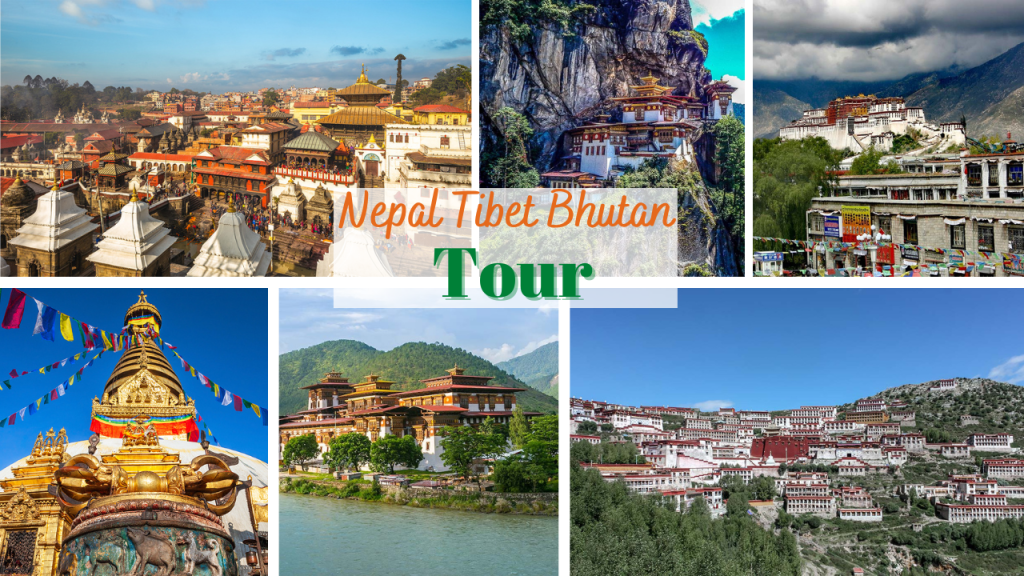
This short tour is perfect for people with little time to spare or for travelers who wish to add Tibet to their existing Nepal itinerary. We fly in and out of Lhasa in order to maximize the time spent exploring this fascinating city and the local vicinity. We are accommodated at the available best hotel in Lhasa, Tibet. Please note that clients from the Far East and North America can join the tour in Tibet if they prefer by flying to Lhasa from Hong Kong / Chengdu.
Book This Trip
 Start : Kathmandu
 Finish : Kathmandu
 Difficulty :
Easy
Difficulty :
Easy
 Max Altitude : 3850m
 Group Size : 10 People
  Season : March to November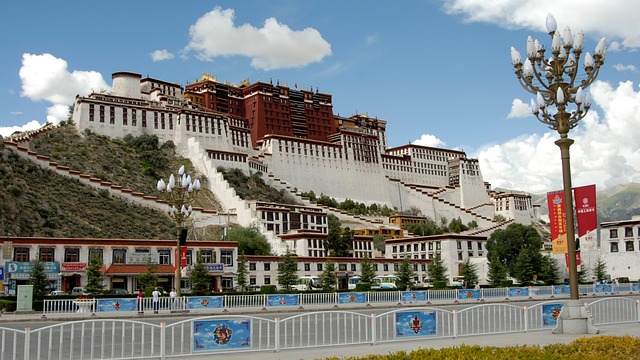
Today is your arrival day we welcome you upon your arrival at Kathmandu’s Tribhuvan International Airport. Transfer to Hotel in Kathmandu or your choice of Hotel in Kathmandu Valley (Kathmandu, Patan and Bhaktapur). Arrival city briefing follows after Hotel check in concerning the necessary formalities on your tour and trek program. Depending upon your arrival time you may spend free time visiting nearby historic/countryside areas or resting.In the evening sample a delicious traditional Nepali Welcome dinner in authentic Nepali Restaurant with the cultural dances. Overnight in Hotel.
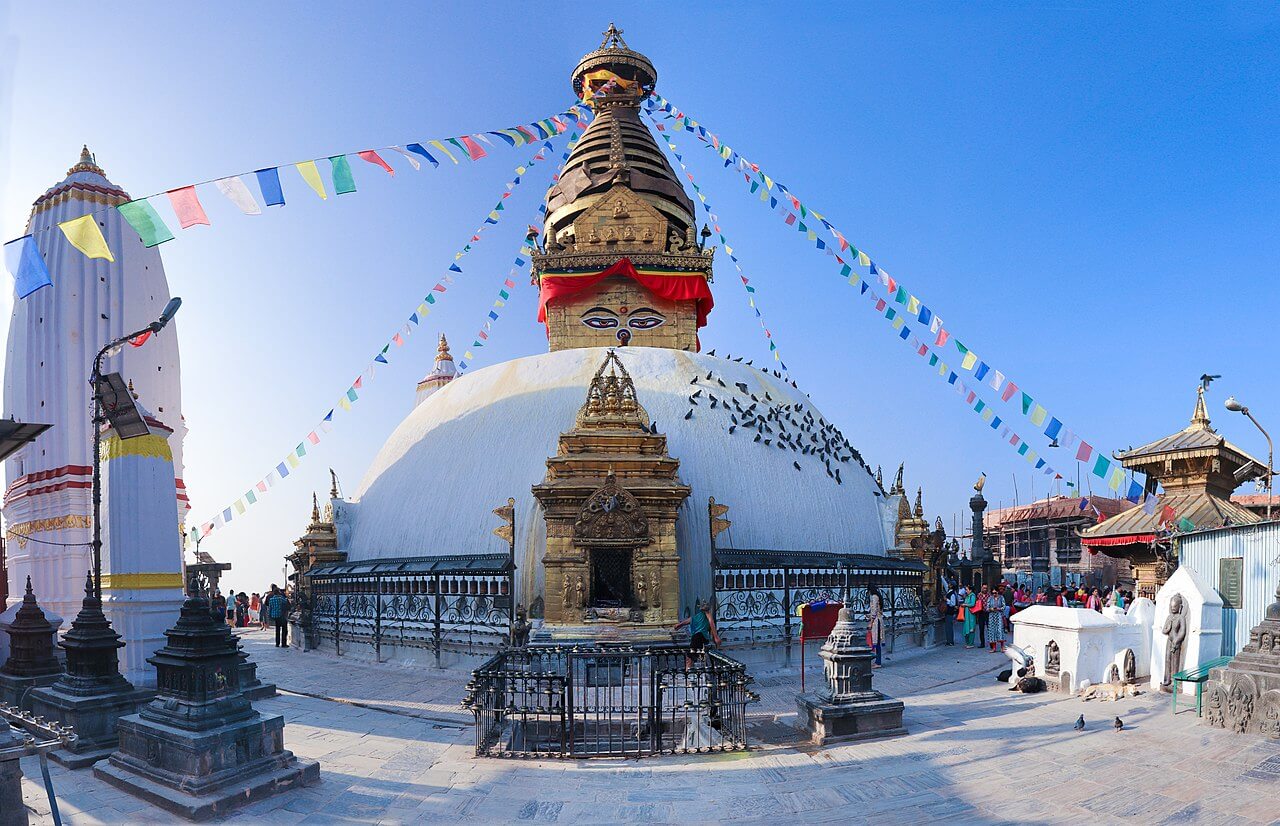
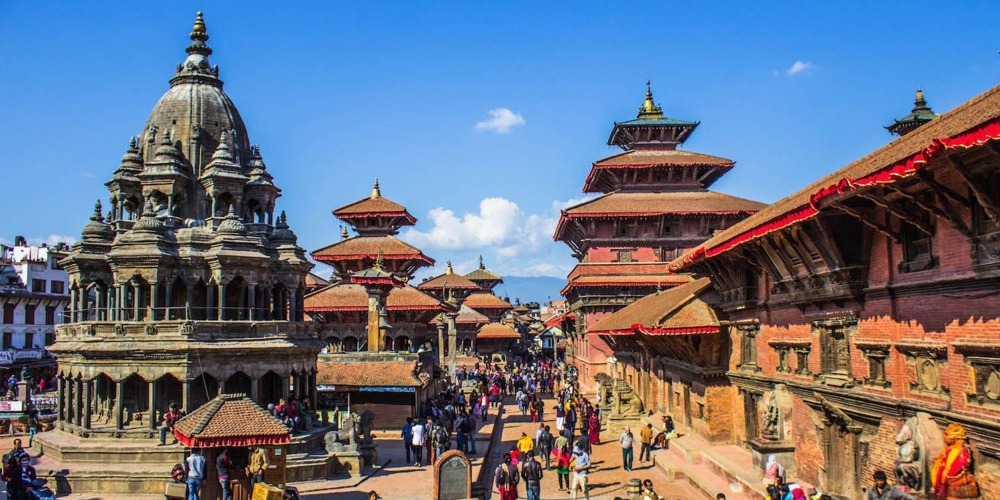
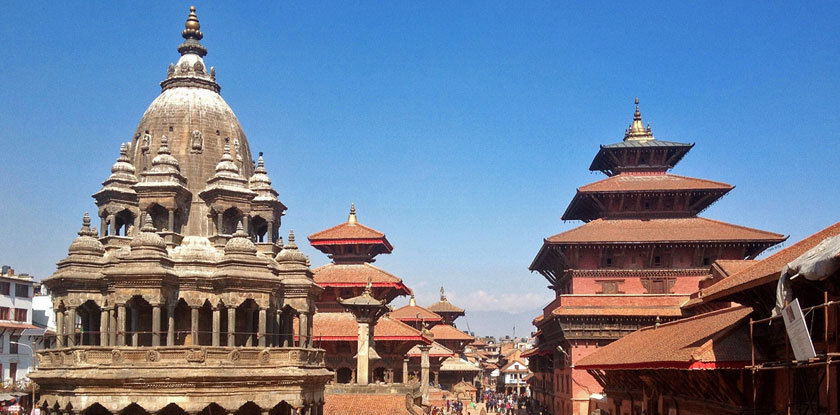
Half day sightseeing in Kathmandu World Heritage sights where your guide will accompany you on a tour of UNESCO enlisted Pashupatinath, Boudhanath, Kapan Monastery and the unique fusion shrines of Newari architectural Hinduism and Buddhism reflecting ancient golden era of the glories. There is time to explore the city’s many places of interest with your guide or in your own or take a rest. Our Trek Leader/Guide meets you in the afternoon for the trek briefing while we finalize your VISA. Overnight in Kathmandu.
The flight across the Himalayas passes between Makalu and Kanchenjunga (the world’s 3rd highest mountain). This is a rare opportunity to cross the Himalayas so keep your camera handy! On arrival in Tibet we drive to Lhasa and transfer to the Holiday Inn Hotel. The city’s streets are narrow, with whitewashed stone houses whose walls slope inwards as they rise. Windows are framed in black trapezoids, with protruding fan-shaped eaves above. Many houses have brightly painted woodwork. In contrast ‘New Lhasa’, the Chinese-built district, was constructed in the last thirty years around the base of the Potala. It is characterized by straight, broad streets and utilitarian buildings that house Chinese-style department stores and all kinds of government houses. The ‘Revolutionary Museum’ below the Potala displays evidence of the economic and social change that China has brought about since her invasion. In spite of its forced pace of modernisation, Lhasa has not yet lost its soul. It remains a friendly city where a Tibetan will always return your smile.
In the afternoon we visit Jokhang Square, the heart of old Lhasa to see people engaged in the ‘Evening Prayer’ – circumambulating Barkhor or Linkhor, the inner and outer street circles.
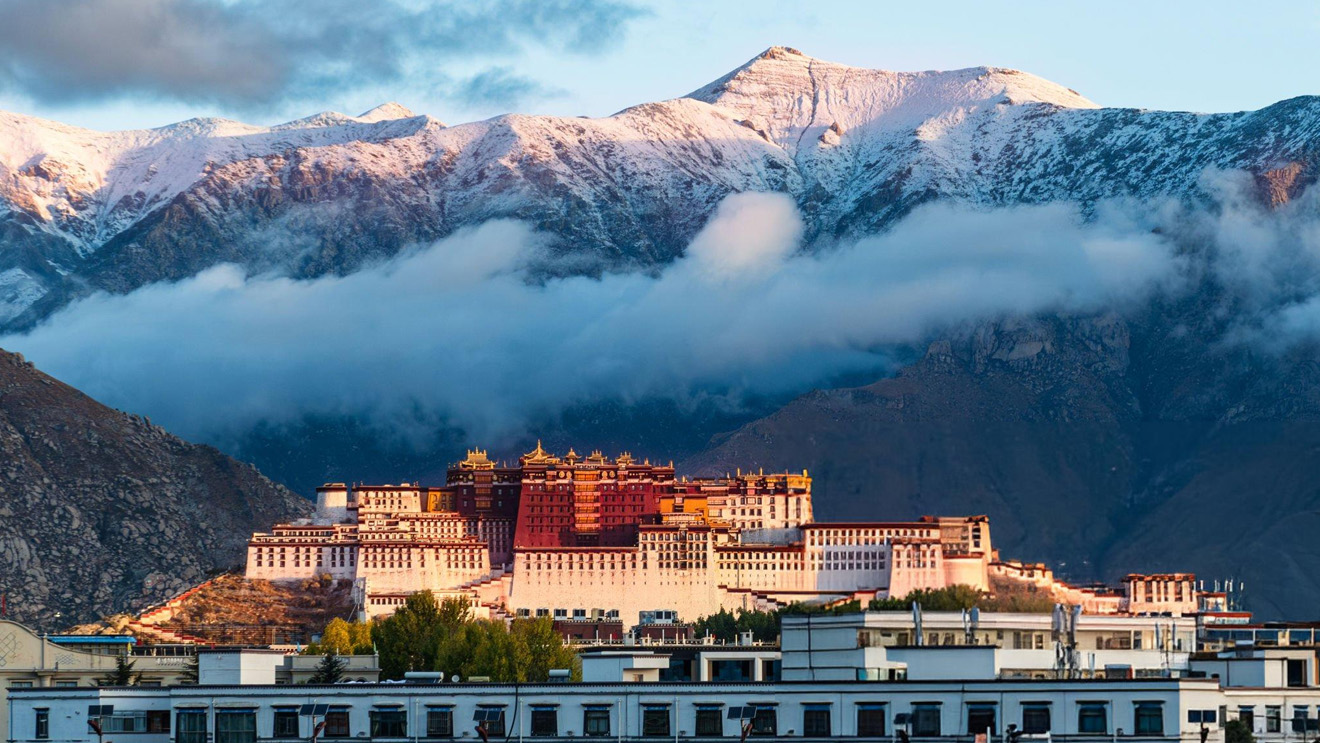
We visit the Potala Palace. This architectural wonder – a spectacular edifice whose gold roofs soar high above the town and rise more than 300 meters above the valley floor – can be seen from in all directions for miles around. The present Potala was built mainly in the Fifth Dalai Lama’s reign between 1645 – 1693. Until recently it remained the centre of political and religious power for the Dalai Lamas. With over one thousand rooms, it contained the living quarters of the Dalai Lamas while they lived, and their magnificent golden tombs when they died. Tegents, tutors and other high lamas had apartments. A huge printing house and a seminary were run by the elite order of monks in order to train the government officials. Hundreds of elaborately decorated chapels and shrines, halls and corridors contain thousands of gilded statues – Tibet’s pantheon of Buddhas, Boddisattvas, saints and demons. Today the Potala is a state museum with 35 caretaker-monks, but to many thousands of Tibetan pilgrims it remains a beloved shrine.
In the afternoon we visit Norbulingka and Jokhang monasteries. Norbulingka – the Jewel Park – contains the summer palaces of the 13th and 14th Dalai Lamas and is characterised by its spacious walled garden, the main throne hall, an audience hall, the Dalai Lama’s private apartment and his mother’s apartment. Jokhang, the spiritual centre of Tibet, is a most holy place and has been a focal point for millions of Tibetan pilgrims. The oldest part of the building dates back from the 7th century AD. Legend says that Songtsen Gampo, who built the temple, threw his ring into the air, promising to build a temple wherever it landed. The ring fell into a lake and struck a rock whereupon a white stupa miraculously appeared – an auspicious sign. Even today a pool exists under the Jokhang’s main courtyard.
We visit Drepung monastery which lies a few kilometers west of Lhasa. Drepung means ‘Rice Heap’, so-called because of the jumble of white buildings piled up against the slope of Mount Gyengbuwudze. Drepung was the biggest and richest monastery in Tibet and housed the ‘Nechung’, the State Oracle. Founded in 1416 by a disciple of Tsongkhapa it had over ten thousand monks and governed seven hundred subsidiary monasteries. The monastery was divided into four Tantric Colleges which, at the highest level, specialized in different branches of knowledge. Each had its own chanting hall, dormitories, kitchens and offices. The entire monastic community assembled only for special ceremonies. Murals decorate many of the walls. Today, about four hundred monks and novices live there, and their orchards turn a reasonable profit.
In the afternoon we visit Sera monastery. Sera meaning ‘Merciful Hail’ and lies on the northern edge of Lhasa. Its name denotes its rivalry with the Drepung since hail destroys rice. Founded in 1419 by one of Tsongkhapa’s eight disciples, it became famous for its tantric teachings. The warrior monks of Sera, the ‘Dob-Dobs’, were admired as athletes but also feared. A central lane and fairly simple layout make Sera easy to explore. A long driveway leads up to the monastery. Sera had three colleges but the chanting halls and chapels seem dark and more demonic. Today it houses some three hundred monks and some of its buildings include farms.
The four-hour drive to Zethang follows the Yarlung Tsangpo river; we see fields of barley, wheat, apple and pear orchards interspersed with stretches of rocky mountains and sand dunes. En route we stop at Nyethang, a temple built sometime between 1045 and 1050 by Atisa, an Indian Buddhist teacher who was invited to Tibet in 1042 by the Kings of Guge.
Nyethang contains three temples. A smaller bronze stupa contains the relics of Naropa who taught Marpa, the master of Milarepa. The middle temple contains the relics of Atisa himself. The third temple is called Tshepame Lhakhang, the temple of Amitayus. Atisa’s main disciple Dromton founded the Kadampa sect.
We also visit the castle of Yumbulakhang, the oldest known dwelling in Tibet and the home of the Yarlung kings. According to legend the castle is supposed to have been built by King Nyatri Tsenpo in around 130 B.C.
Trandruk Monastery was built by Songtsen Gampo in 7th century – it is one of his three main surviving monasteries, the others being Jokhang and Ramoche. This is a Gelugpa monastery. One of the chapels houses a tapestry of Sakaymuni said to have been made by Wen Cheng, Songtsen Gampo’s chinese wife. The Padmasambhava temple contains a fine collection of Thangkas of the sixteen disciples. It is reputed to have been painted by Marpa in the 11th Century but more probably dates from the 16th century. The temple also houses a seed pearl tapestry of Avalokiteshwara.
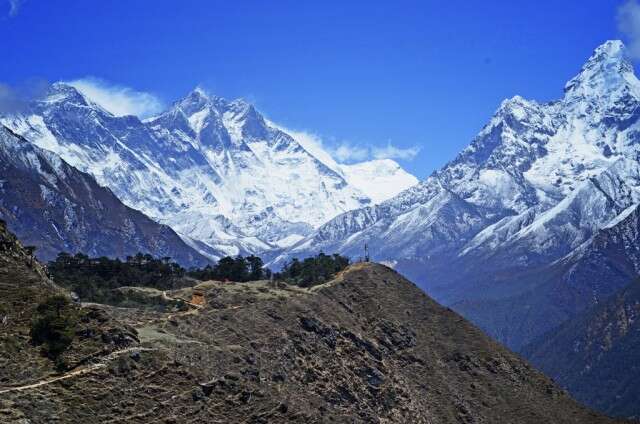
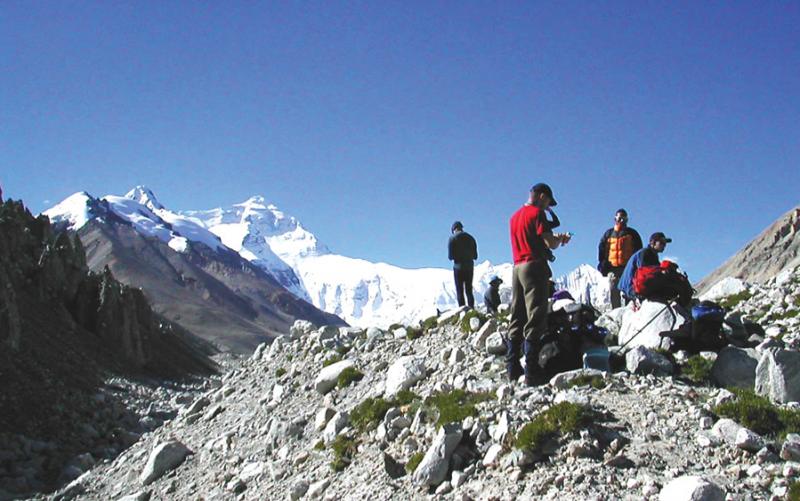
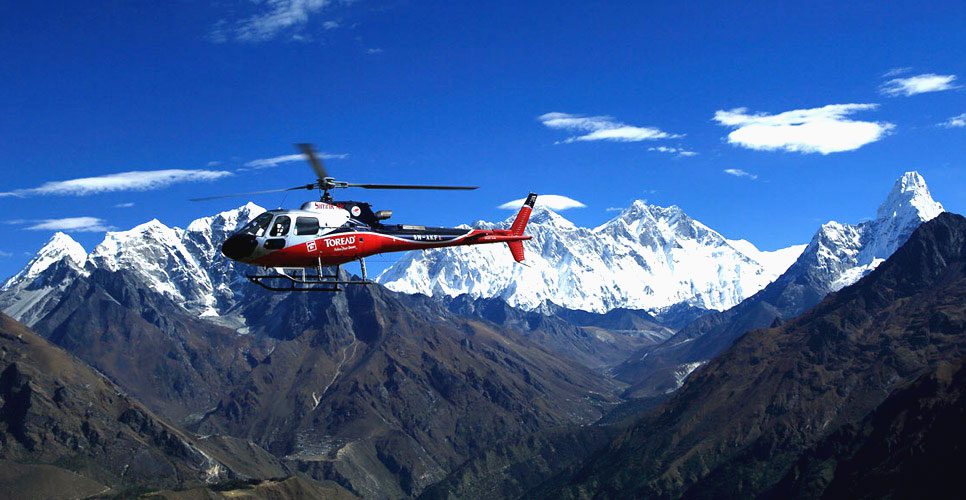
The seventy-minute flight crosses the Himalayas between Kanchenjunga and Makalu, the world’s 3rd and 5th highest mountains respectively. Everest and other Himalayan giants can be seen during the flight; catch a window seat if you can.
This itinerary is only a guideline, and is occasionally subject to change to suit local conditions. This private tour includes all meals and accommodation. Departures can only take place on Tuesdays or Saturdays to coincide with flights to/from Lhasa and one full day is necessary before departure to process visas.
Leisure time in Kathmandu. It’s indeed time for the souvenir hunting around Kathmandu’s noted places having optional trip to tranquil historic heritages in your own or with us or with our versatile guide. We provide extra drive and drop services anywhere.
Our Tour officer meets you in Hotel for the Departure Transfer to Kathmandu’s International Airport. We will be always welcoming you back to Nepal for various other stunning Trekking or looking forward to serving you in our other country travel arrangements.