Your Local Trekking Host In Nepal !
We are open, 24/7!
Your Local Trekking Host In Nepal !




No review has been posted yet
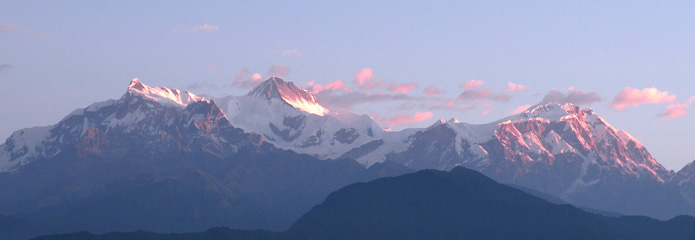
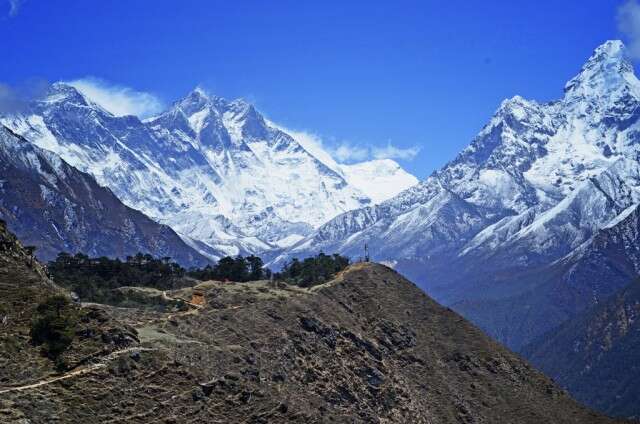
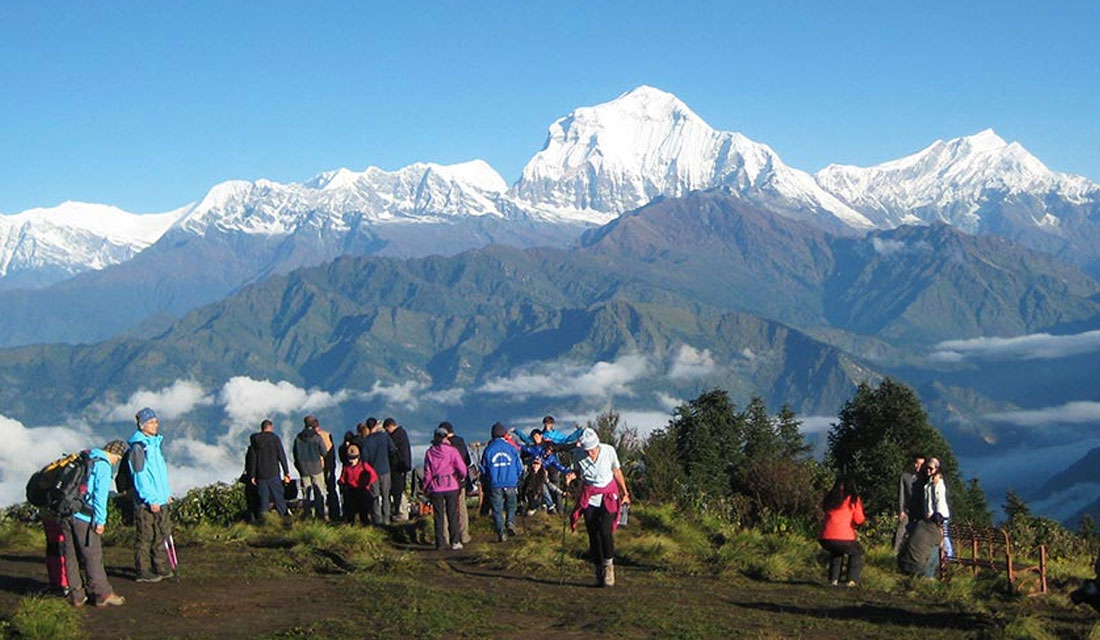
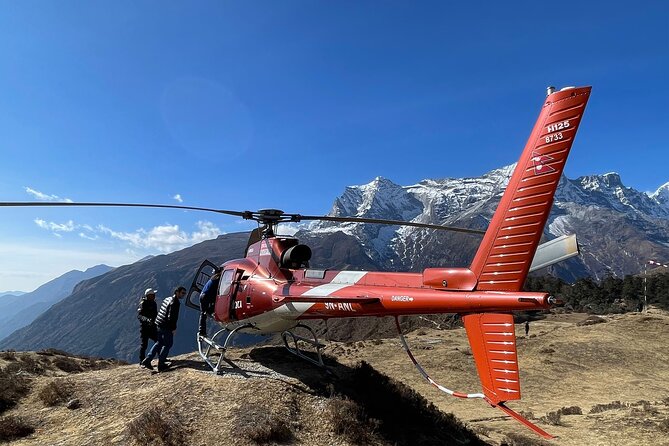
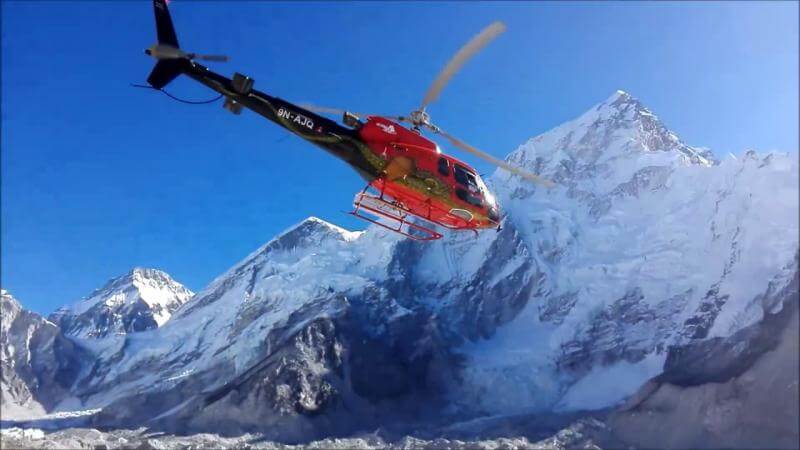
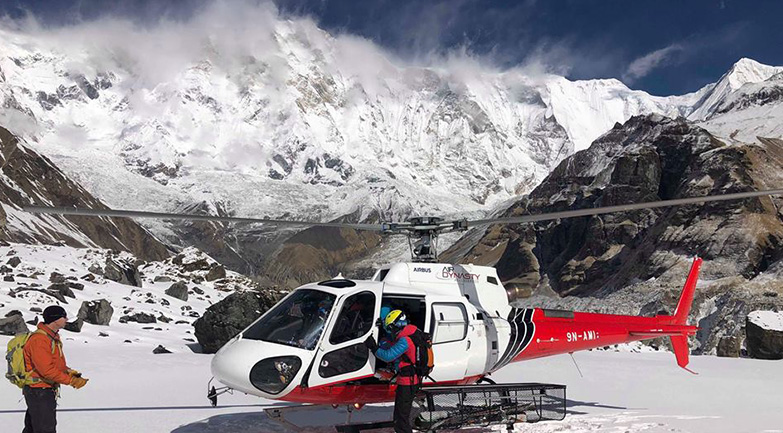
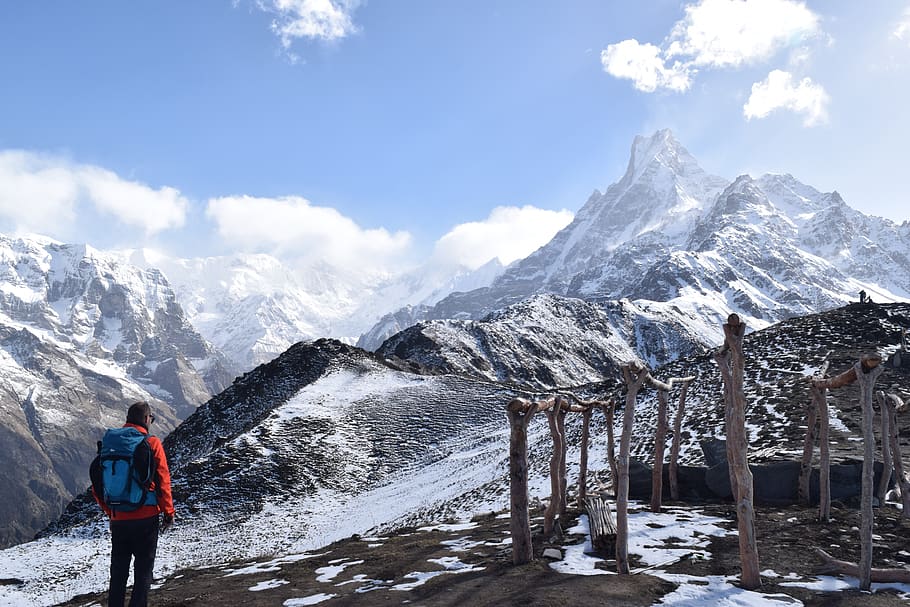
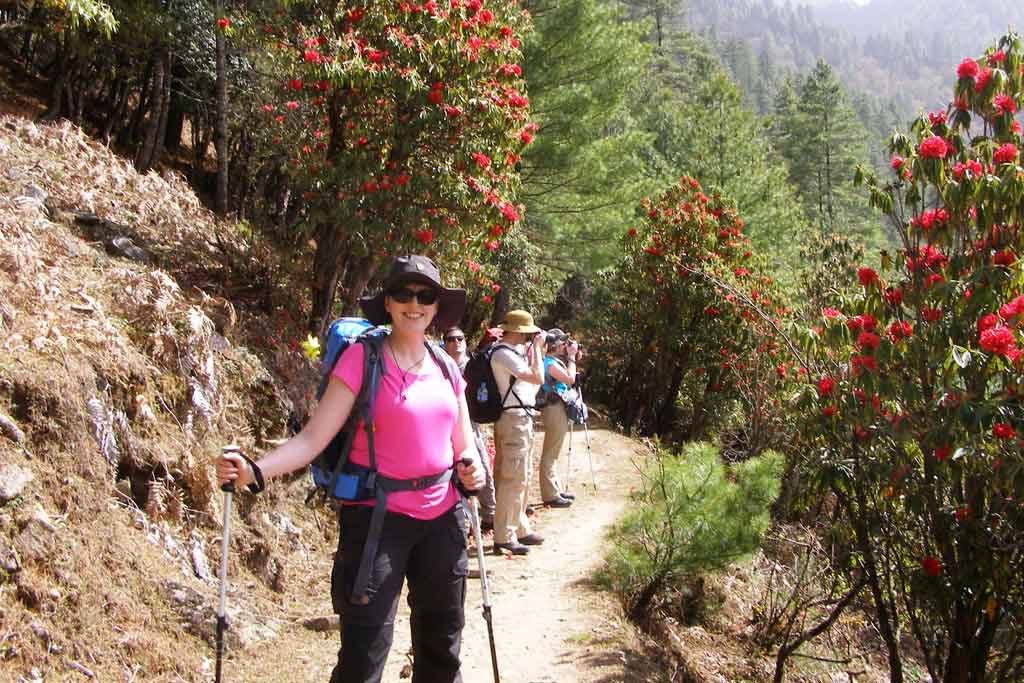
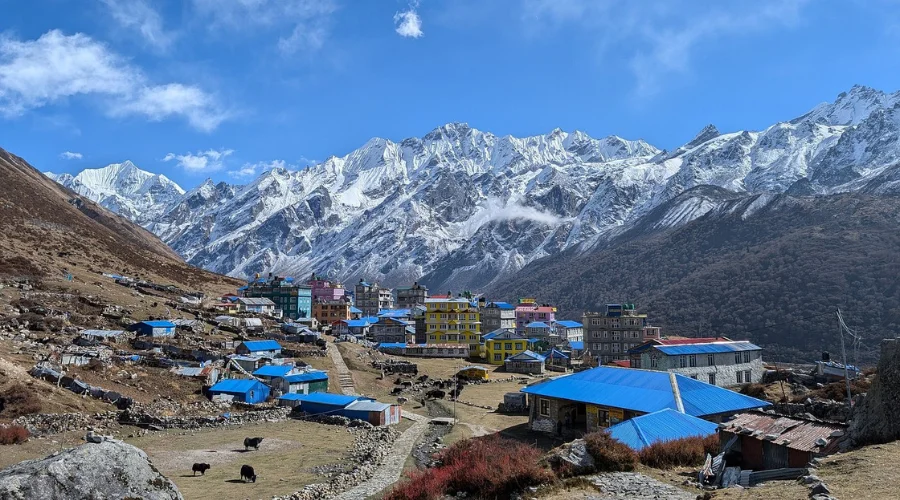
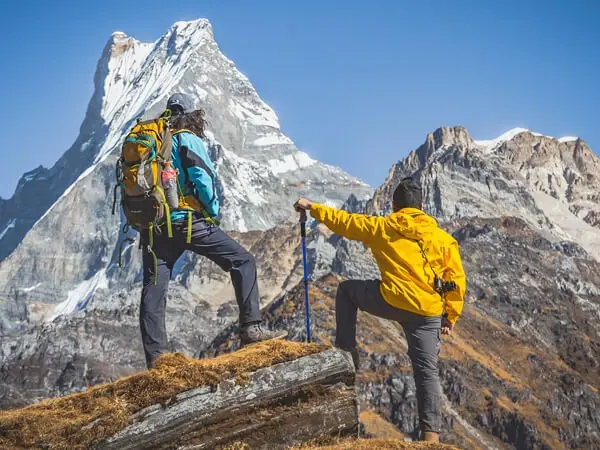
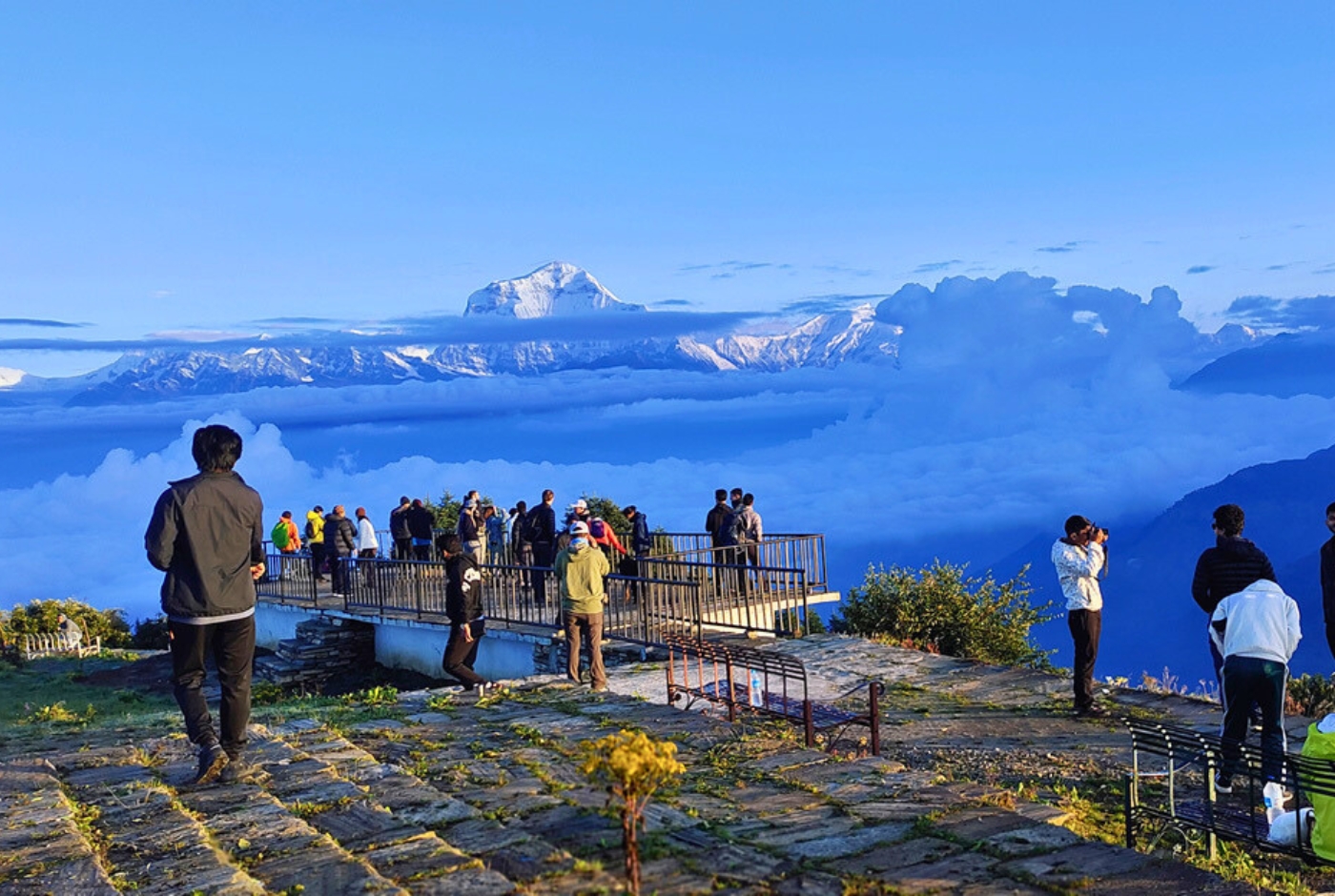
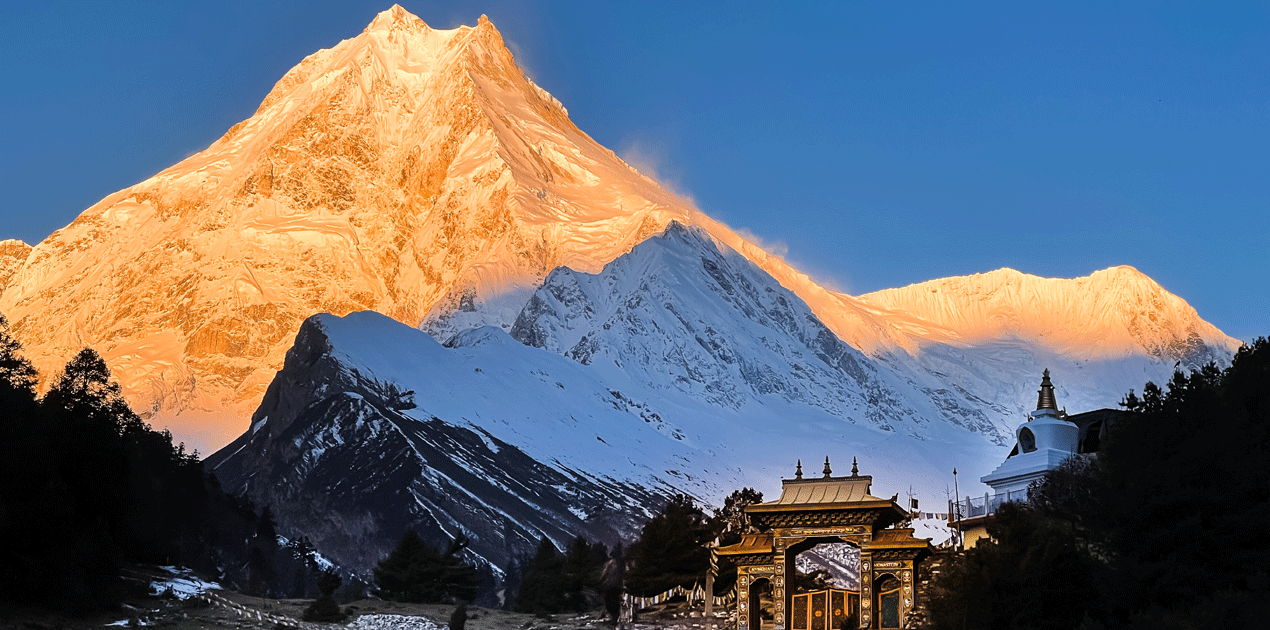
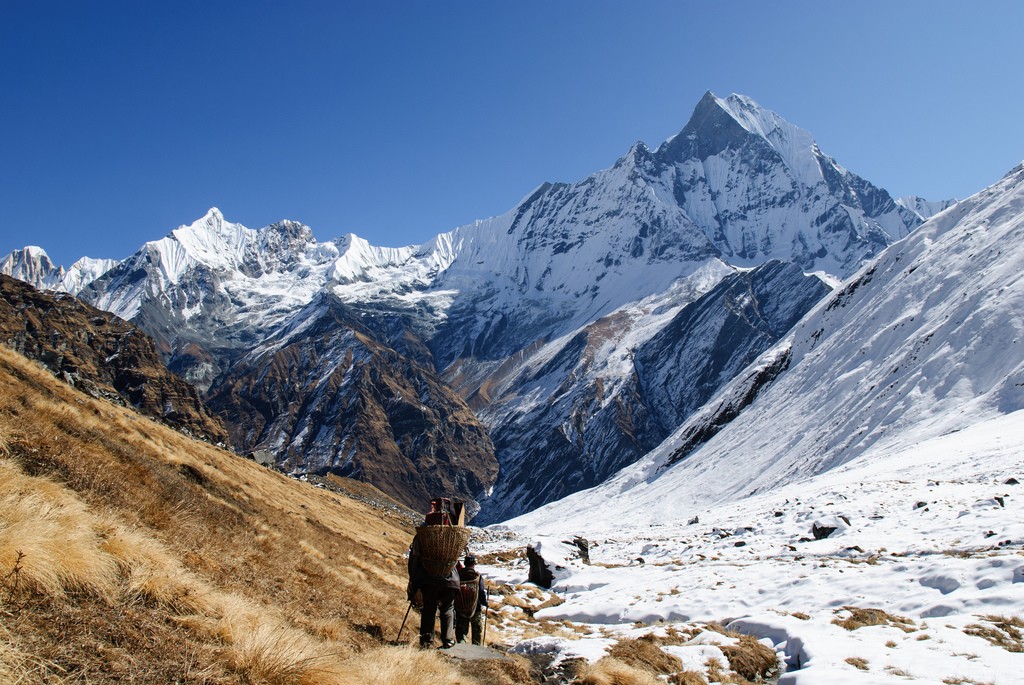
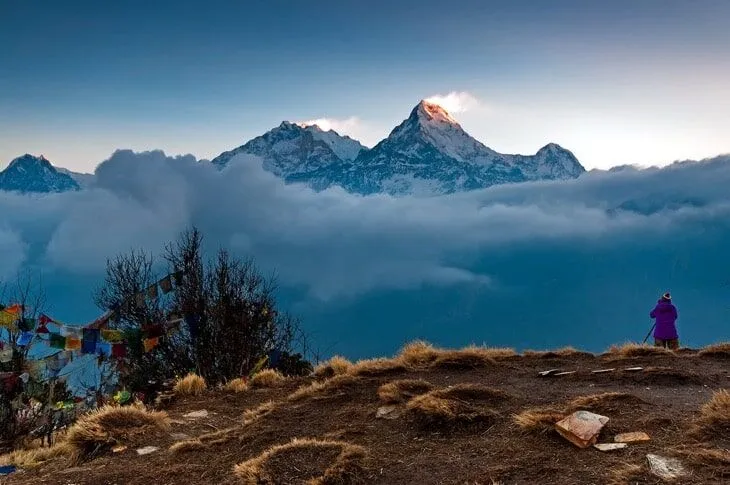
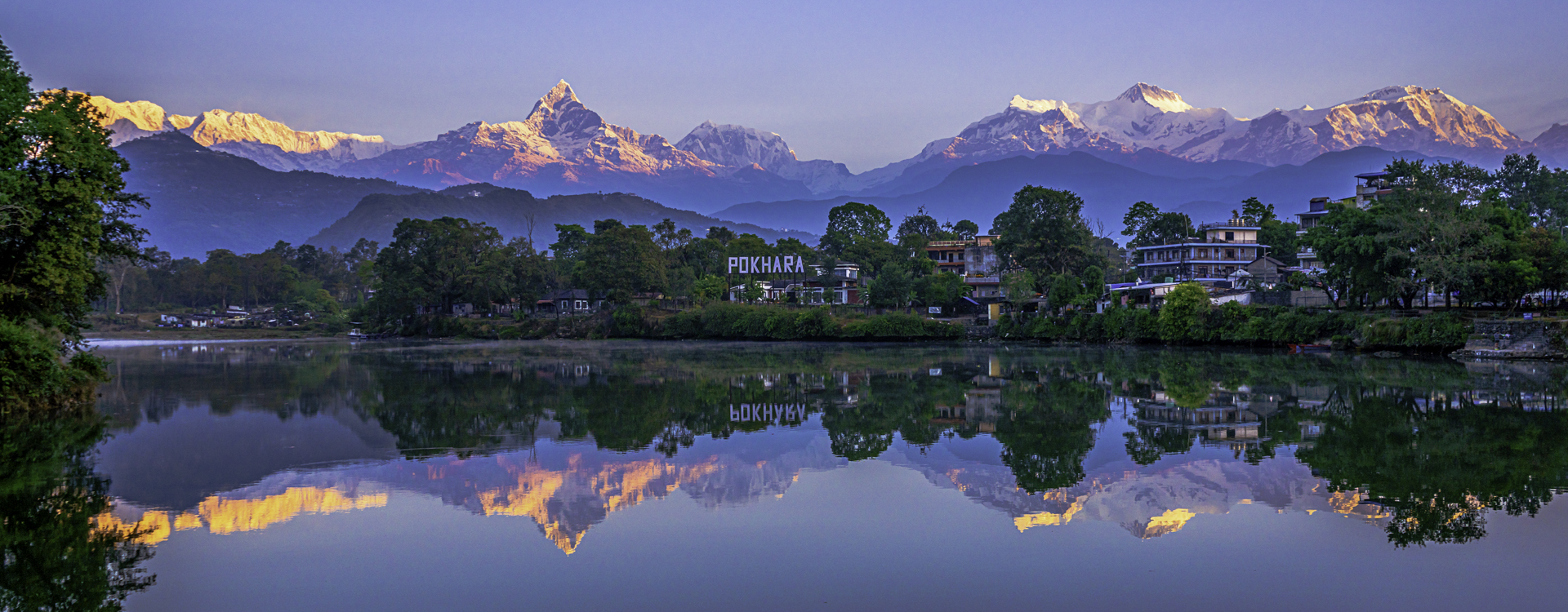
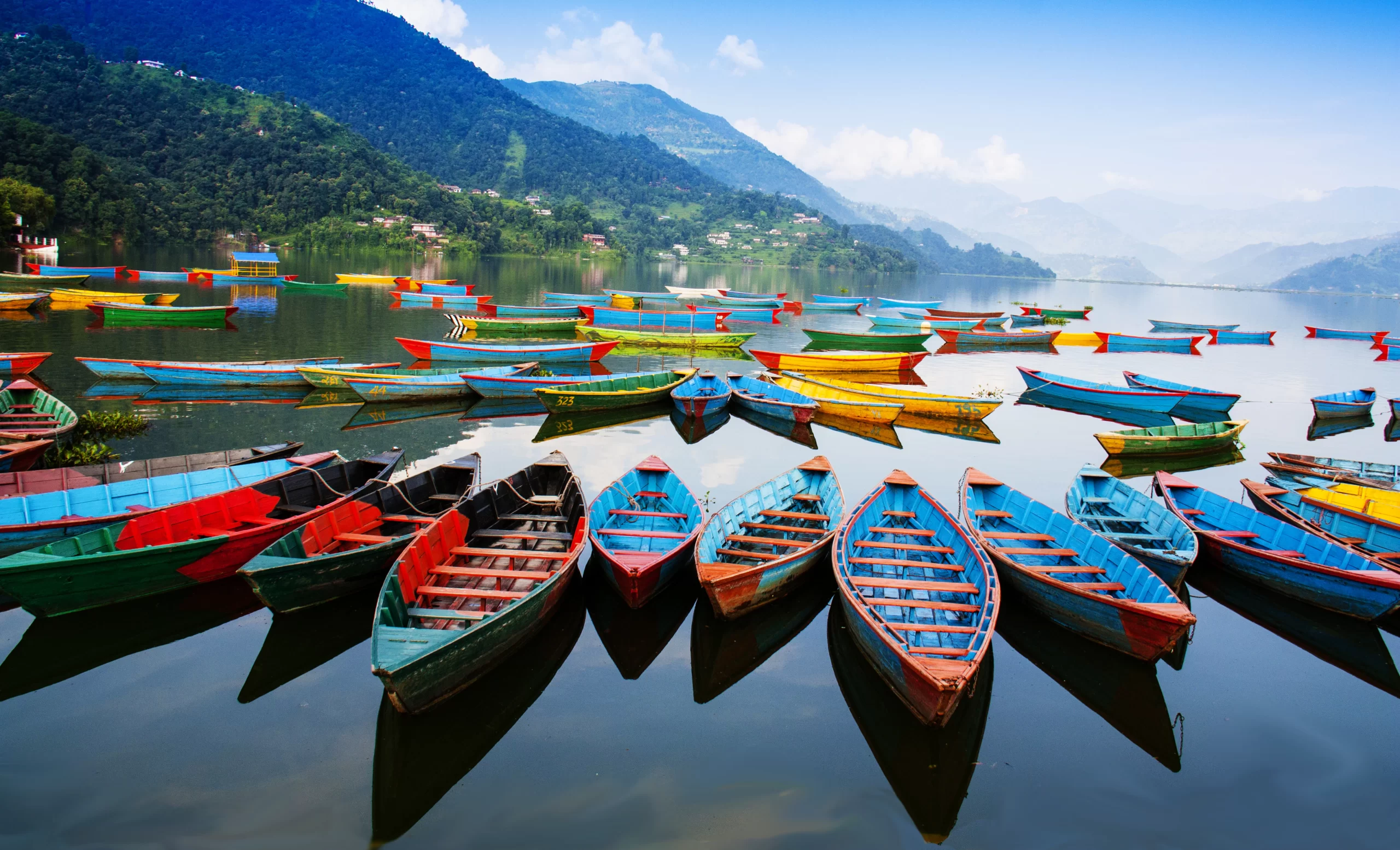
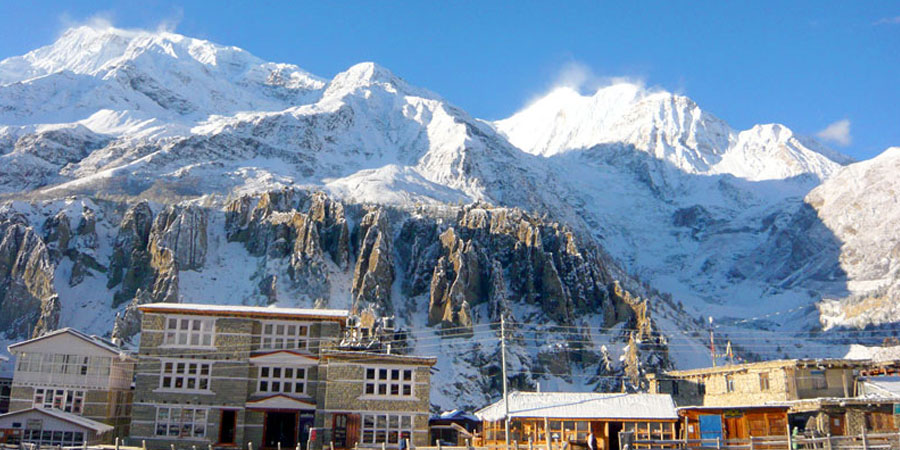
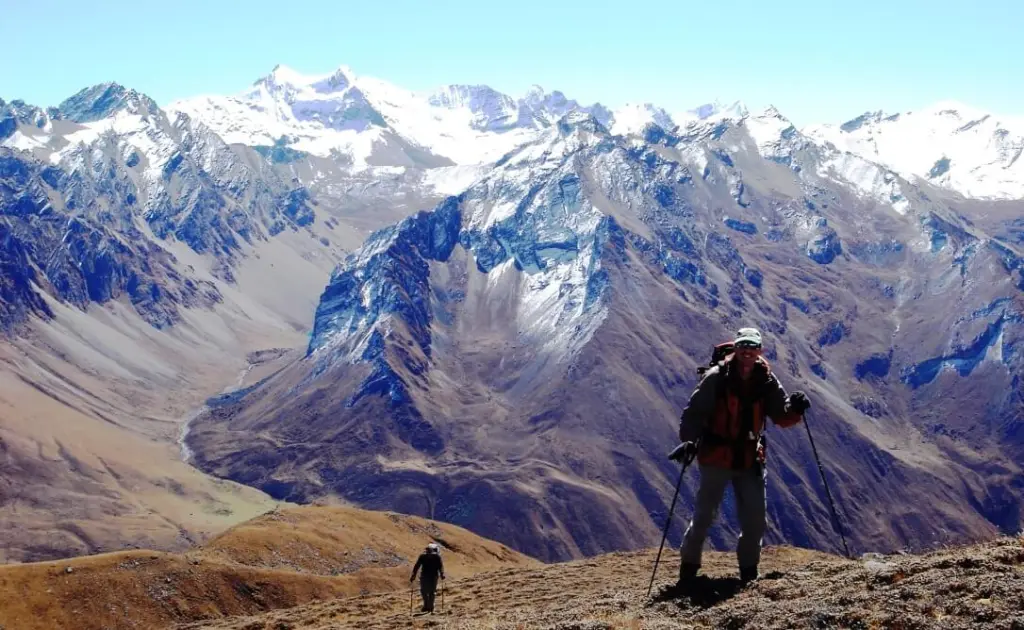
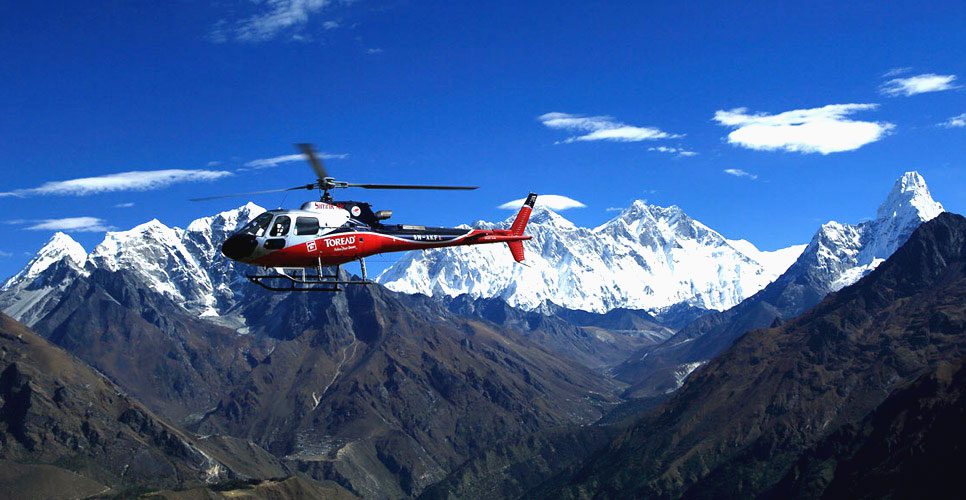
We organize your trip to the last Frontier which takes one and a half days. Departing from Kathmandu in the late afternoon, you will fly to Pokhara, one of the Nepal's most picturesque areas known for stunning mountain views. The trans-Himalayan journey to Mustang starts early next day. You will cross fertile lowlands and hills draped with rhododendron and other flora. Fantastic views of Macchapuchre (6,994m) - the famous fish-tail peak, Dhaulagiri (8,167m), Tukuche Peak (6,920m) and many other mountains are in your sights.
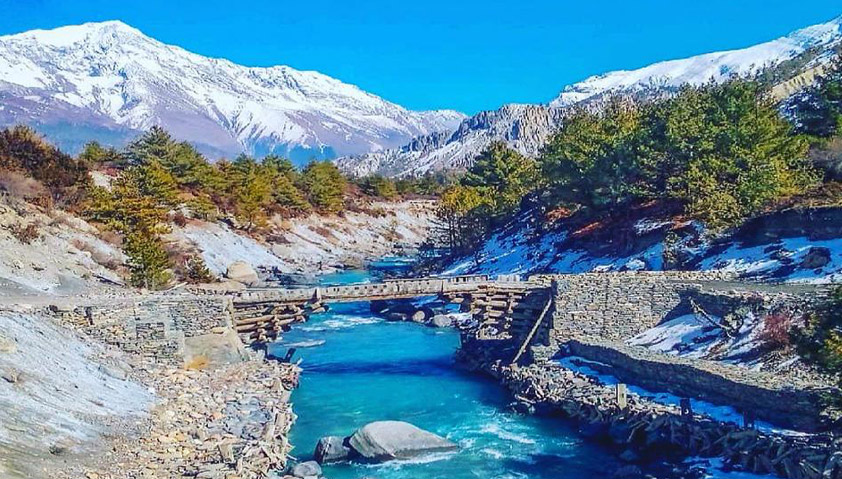
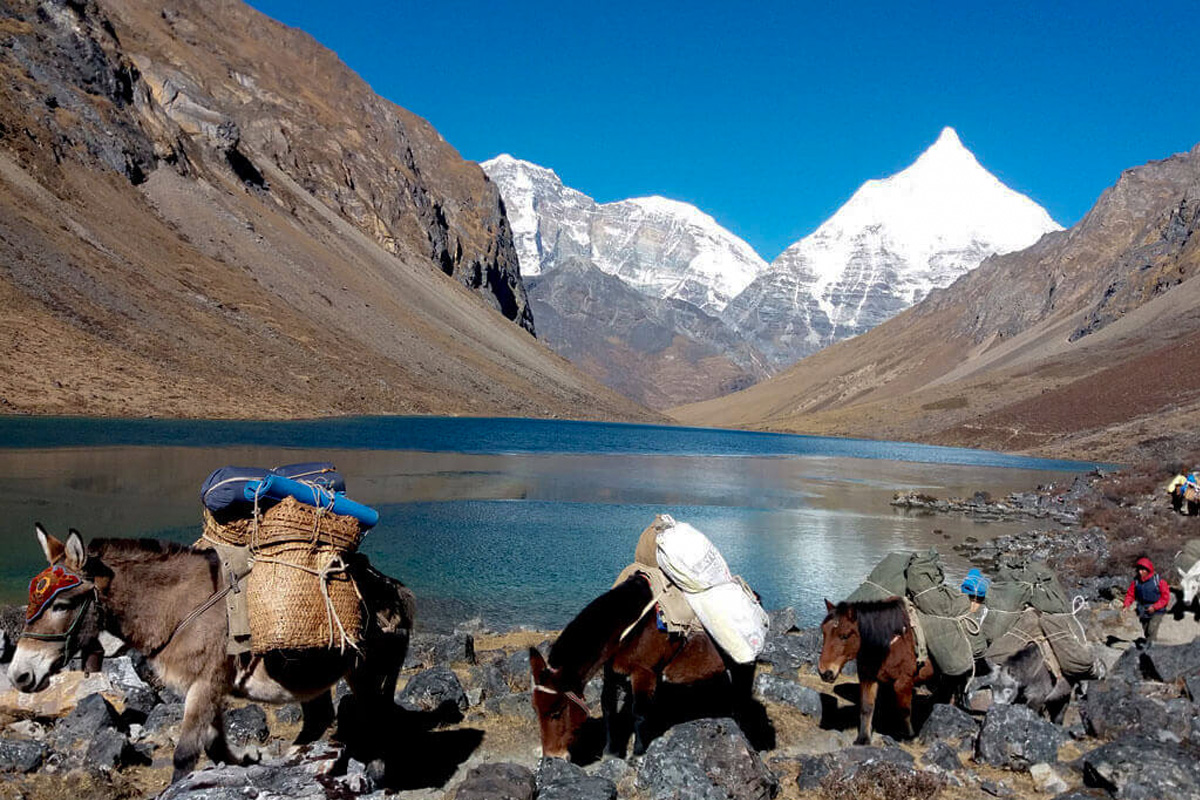
You will also fly over the Kali Gandaki river which, lying between Dhaulagiri and the Annapurnas, is the world's deepest gorge. Settlements in the Thak Khoa region dot the way; these tiny hamlets were part of the old salt trade route to Tibet once traveled by Mule trains. Then it's on the Jomsom, a windswept Himalayan settlement, and north to the arid land of Lo, leaving the mountain behind.
Book This Trip
 Start : Kathmandu-Pok
 Finish : Kathmandu
 Difficulty :
Easy
Difficulty :
Easy
 Max Altitude :
  Group Size : 10 People
  Season : All the Year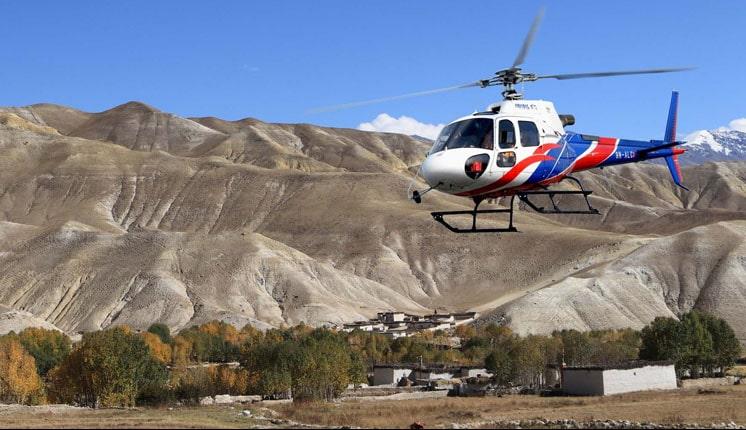
Welcome dinner in the evening with cultural dances
Fly back to Kathmandu / Free time / Farewell dinner
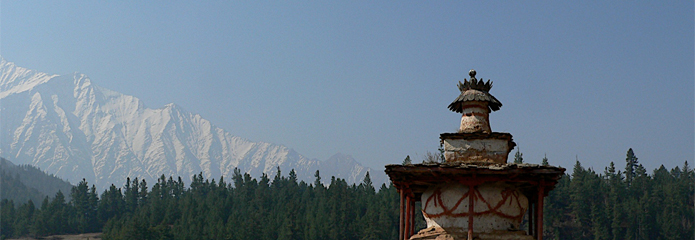
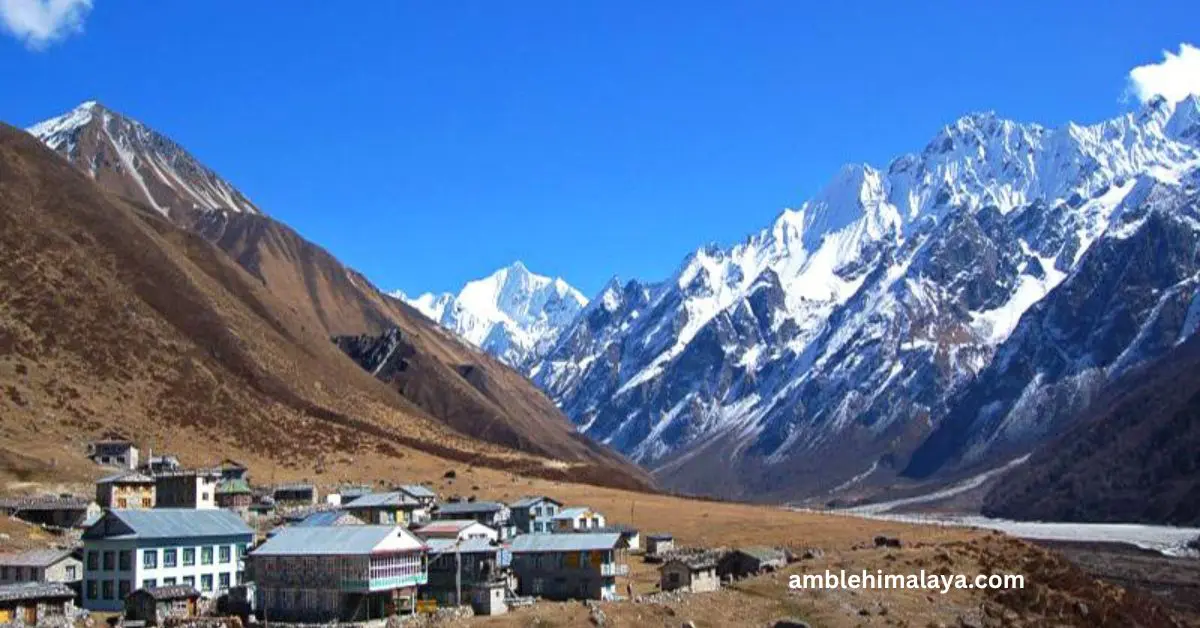
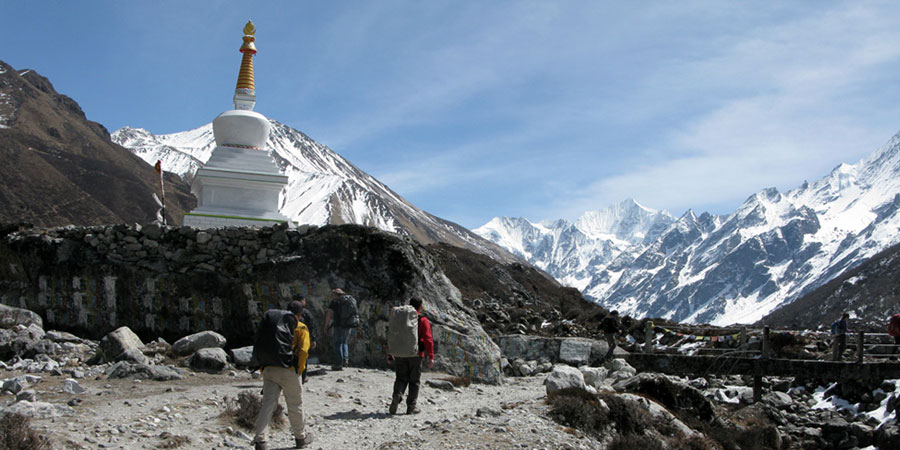
North of Kagbeni is generally known as upper Mustang, which looks similar to the Tibetan plateau with its yellow and gray rolling hills eroded by violent winds. It lies beyond the Annapurna massif and bordered on three sides by Tibet lies the ancient Kingdom of Lo, better known as Mustang. In common usage, the name Mustang refers to the arid Tibet like region at the north end of the Kali Gandaki which is known to its inhabitants as Lo. Upper Mustang is the last of the untouched and ageless lands in the Himalaya, and here you will find Lo-Manathang, the only walled city in Nepal. Mustang is probably a Nepalese mispronunciation of the name of capital of Lo, the city of Manthang. The capital of Lo is named Manthang, which translates from the Tibetan as “plains of aspiration” Mustang’s unofficial capital, the walled city of Lomanthang has its own King and thus is a Kingdom with in a Kingdom. Upper Mustang. The Land of the Loba people, was closed to non-Nepalese (except for a brief time in the 1950s) until 1992. It is now open for all.